

Sustainability at LILA
Sustainability is built into every layer of our multicultural education, empowering students to become proactive global citizens through hands-on stewardship, interdisciplinary learning, and sustainable operations.
Guided by our student eco-delegates and vibrant student organization the Green Team, LILA actively blends rigorous academics with sustainable campus operations—from zero-waste campaigns and educational trips to energy and water conservation tailored to Southern California’s climate.
Education for sustainability
Environmental education starts in elementary school and continues through to high school graduation. Partnering with TreePeople, our elementary students engage in urban forestry workshops and hands-on tree planting across campuses. Outings with the Surfrider Foundation immerse students in ocean protection and coastal cleanups, while interactive programs at The Huntington offer rich exploration in botany, ecology, and climate adaptation.
Experts visit our classrooms to teach waste management, sustainable soil treatment, and composting—reinforced by professional composting equipment generously donated to our campuses. These local experiences build toward extraordinary educational trips, taking students from Joshua Tree, Leo Carrillo, and AstroCamp to an international sea turtle conservation project in Costa Rica for high schoolers.
Institutional commitments to sustainability in action
Through whole-school alignment under the E3D framework, we execute water efficiency, energy reduction, and eco-friendly groundskeeping across all facilities, complemented by clean power generation from our solar panels at the Burbank campus.
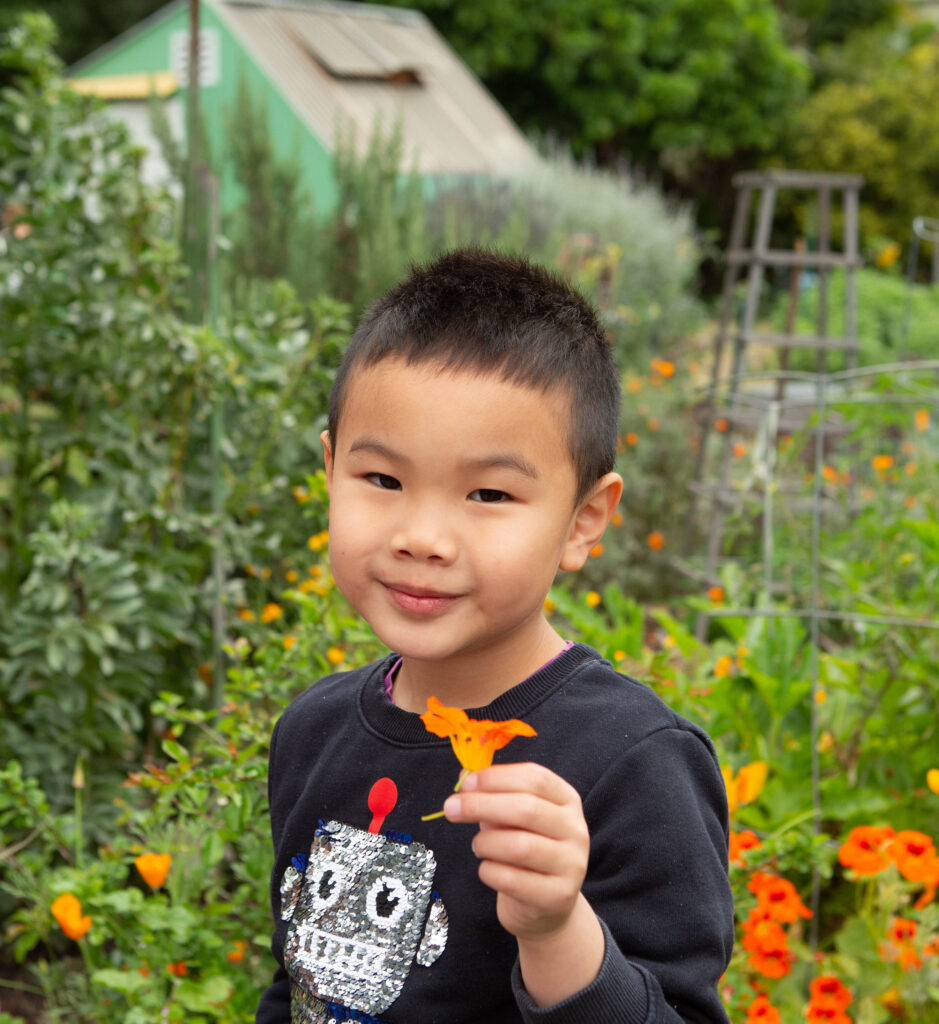
Zero-waste snack campaigns, reusable meal containers, garden plots, and composting systems minimize daily output. LILA hosts regular e-waste collection drives with California Recycle, coordinates annual family swapping events for clothes, books, and toys, and supports the Los Feliz AFC Collaborative Workshop—a maker-space utilizing donated recyclables (cardboard, plastics, textiles, metal) to teach circular economy principles and design thinking.
Long-term environmental progress is hardcoded into the school’s governance through a dedicated chapter in the Strategic Plan. This framework establishes green infrastructure targets, embeds sustainability into STEM and robotics challenges, and implements eco-fiscal models to ensure future campus development remains financially and environmentally resilient.

AEFE Certification – EFE3D Level 2
- Sustainability certification for French international schools